


QR678 Treatment
QR678 is a non-surgical hair-loss treatment platform used by medical professionals for selected patients with hair thinning and hair loss. QR678 Neo has been studied as an intradermal scalp treatment in male and female pattern hair loss, with published studies reporting improvements in hair-fall and hair-density measures in some patients. At Dermatrix, treatment should begin with a hair and scalp assessment so QR678 is recommended only when the diagnosis, stage of hair loss and treatment goals make it a suitable option.
QR678 is not a substitute for diagnosing the cause of hair loss, and it is not the same as hair transplantation. Results and treatment plans vary, so Dermatrix should present it as one evidence-informed option within a personalized hair-restoration plan.

What Is QR678 / QR678 Neo Treatment?
QR678 is a patented hair-biology research platform from which QR678-branded professional formulations have been developed. QR678 Neo has been described in published clinical research as a hair-growth-factor formulation containing a combination of growth factors and peptides and has been administered into the scalp in studies of hair loss. The current QR678 product website describes the platform as research-driven, patented in the United States and India, and used across multiple markets. It also states that product classification and regulatory status can vary by country. For this reason, Dermatrix should avoid a blanket “FDA-approved” statement unless the clinic has current documentation for the exact product and jurisdiction being referenced.
Why Choose Dermatrix for QR678 Treatment?

4.8

1000 Verified Reviews
Diagnosis Before Procedure
QR678 should be offered after understanding the cause and stage of hair loss, not simply because a patient reports shedding.
Treatment-Specific Planning
The clinic should confirm the exact QR678 product, administration method, session plan and treatment area for each patient.
Objective Progress Review
Standardized images and, where available, scalp/hair-density assessment help patients understand progress more reliably.
Integrated Hair-Loss Care
If QR678 is not the best match, Dermatrix can direct the patient toward medical therapy, PRP, GFC, Regenera, alopecia care or hair transplantation as appropriate.
Evidence-Aware Communication
Treatment benefits should be explained alongside limitations, alternatives and realistic expectations.
Types of Hair Loss
-
Androgenetic Alopecia
Genetic hair thinning affects both men and women.
-
Alopecia Areata
Patchy, autoimmune-related sudden hair loss.
-
Telogen Effluvium
Stress or hormonal changes cause temporary shedding.
-
Postpartum Hair Loss
Shedding is triggered after pregnancy or childbirth.
-
Nutritional Deficiency
Lack of vitamins and proteins weakens follicles.

See the Transformation


QR678 Treatment
Akshay s


QR678 Treatment
Akshaya D


QR678 Treatment
Amit D


QR678 Treatment
Darpan K


QR678 Treatment
Yamini A
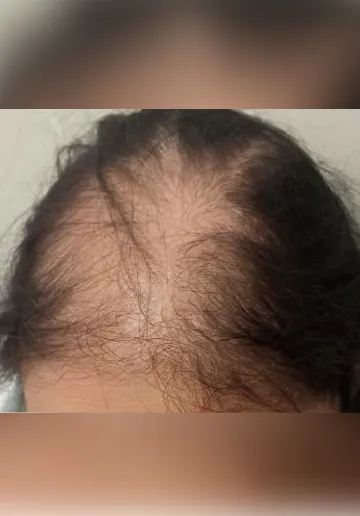
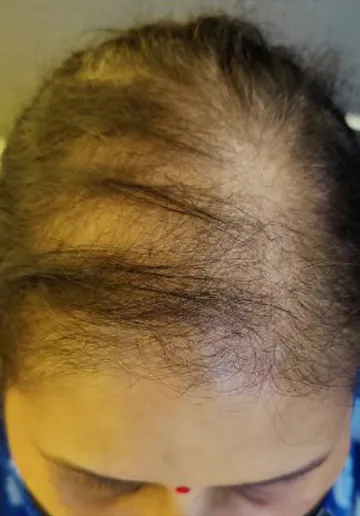
QR678 Treatment
--
Trusted by Thousands. Loved for Results.
97% Client Satisfaction Rate Across Skin, Hair, Body & Dental Care.

4.8
1000 Verified Reviews
-

Visited for QR hair treatment, experience has been really good. Doctors are very experienced, and guide you through everything. Staff is very professional and cooperative. Definitely recommend for hair treatments.
Prashant Mahake
5.0
-
i had done my QR678 hair treatment session was very Nice...
I'm happy with my treatment
Thank you DERMATRIX...🥰Tara shivram Singh
5.0
Client Feedback
Discover real stories of hair restoration at Dermatrix; from hairline correction to beard transplants, see the
transformations and techniques that delivered lasting results.
Who May Be Suitable for QR678 Treatment?
Suitability depends on the cause and stage of hair loss. The strongest published QR678 evidence is for androgenetic alopecia, including male pattern hair loss and female pattern hair loss. Patients with other causes of hair loss require diagnosis-specific assessment before QR678 is considered.
- Male Pattern Hair Loss: Men with clinically assessed androgenetic alopecia may be considered, especially when miniaturizing follicles remain and a non-surgical plan is appropriate.
- Female Pattern Hair Loss: Selected women with female pattern hair loss may be considered after assessment of other possible causes such as iron deficiency, thyroid disease, postpartum changes or hormonal disorders.
- Early to Moderate Thinning: Non-surgical treatments are generally more relevant where follicles remain in thinning areas rather than long-standing completely bald skin.
- Patients Comparing Non-Surgical Options: QR678 may be discussed alongside PRP, GFC, medication-based management or other therapies, depending on diagnosis and patient factors.
Important: Alopecia areata, telogen effluvium, post-chemotherapy alopecia and other conditions have been studied in smaller QR678 trials, but they should not be marketed as identical indications or treated without first addressing the underlying diagnosis.
Which Hair-Loss Conditions Have Been Studied with QR678?
| Condition | Evidence Snapshot | How to Position on Dermatrix |
|---|---|---|
| Male/Female Pattern Hair Loss | Large multi-centre open-label study and smaller comparative/prospective studies report improvements in hair-fall and density measures. | Core treatment indication to discuss, with realistic expectations and clinician assessment. |
| Female Pattern Hair Loss with PCOS | Small prospective study reported improvement following an eight-session protocol. | Use only after evaluation of the broader PCOS/hormonal picture. |
| Persistent Telogen Effluvium | Small study in post-COVID persistent TE reported improvement. | Do not generalize to all telogen effluvium; diagnose and address triggers first. |
| Alopecia Areata | Small comparative study assessed QR678 in combination with intralesional corticosteroid | Alopecia areata remains an autoimmune condition requiring dermatologist-led treatment; do not present QR678 as a universal standalone cure. |
| Persistent Chemotherapy-Induced Alopecia | Small pilot study has been published | Specialist/oncology coordination is important; avoid broad claims from pilot data. |
How Is QR678 Administered?
Published studies have evaluated QR678 Neo using intradermal injections into the scalp, and some research has also compared intradermal administration with microneedling/derma-roller delivery. The method used at Dermatrix should match the current product instructions, clinician training and clinic protocol.
Before treatment, the clinician should confirm the diagnosis, treatment area, medical history and suitability. During the procedure, the product is delivered into selected scalp areas using the clinic’s verified protocol. Patients may experience temporary local discomfort, redness or sensitivity depending on the administration method.
What Happens During a QR678 Treatment Plan?
1. Hair-Loss Diagnosis
The clinician reviews the pattern, duration and progression of hair loss, relevant medical history and previous treatments.
2. Scalp & Hair Assessment
Hair density, miniaturization, scalp condition and the distribution of thinning are assessed to determine whether QR678 is reasonable.
3. Treatment Planning
The treatment area, administration method, session schedule and any complementary therapy are discussed.
4. QR678 Administration
The formulation is delivered to the selected scalp areas using Dermatrix’s verified protocol.
5. Progress Monitoring
Hair fall, standardized photographs and, where available, trichoscopic or density measures can be reviewed over time.
6. Maintenance Decision
After the initial course, the clinician decides whether observation, maintenance, medication, another non-surgical treatment or transplant assessment is appropriate.
What Does the Clinical Evidence Show?
QR678 Neo has multiple peer-reviewed publications, including a large open-label multi-centre study in 2,428 patients with androgenetic alopecia/female pattern hair loss, a randomized comparative study versus PRP, prospective studies in other hair-loss conditions and more recent work evaluating QR678 Neo around hair transplantation.
This evidence is encouraging, but it should be interpreted carefully. Several studies are open-label, single-centre or relatively small, and many were conducted by investigators closely involved with development of the QR678 platform. Dermatrix should therefore avoid presenting any study result as a guaranteed outcome for every patient.
How Many QR678 Sessions May Be Needed?
Many published QR678 Neo protocols used eight treatment sessions, often spaced about three to four weeks apart. Dermatrix’s live page currently states 8–10 sessions every 2–3 weeks. The website should display only the schedule that matches Dermatrix’s current medical protocol and the exact QR678 product instructions.
Session number may change according to diagnosis, severity, response and whether QR678 is being used alone or as part of a broader hair-loss plan. Avoid promising that every patient needs the same number of sessions
What Results Can You Expect?
In published studies, QR678 Neo has been associated with reductions in hair fall and improvements in terminal-hair count, shaft diameter or hair-density measures in selected patients. Hair change is gradual, so progress is generally assessed over several months rather than immediately after treatment.
Individual response depends on the diagnosis, stage of follicle miniaturization, age, baseline density, ongoing progression, adherence to the treatment plan and use of other therapies. Avoid guarantees such as “revives all dormant follicles,” “90% success,” “permanent results” or a fixed visible-result timeline unless a specific claim can be substantiated and is appropriate for the exact product used.
QR678 vs PRP, GFC, Hair Regenera and Hair Transplant
| Treatment | What It Uses | Typical Role | Key Difference |
|---|---|---|---|
| QR678 / QR678 Neo | Proprietary professional hair-growth formulation | Selected non-surgical hair-loss patients | Standardized branded formulation with published QR678-specific studies |
| PRP | Platelet-rich plasma prepared from the patient’s blood | Supportive non-surgical hair-loss treatment in selected patients | Autologous blood-derived product; preparation varies by system/protocol |
| GFC | Growth-factor concentrate prepared from the patient’s blood | Selected non-surgical hair-loss treatment | Autologous blood-derived growth-factor preparation |
| Hair Regenera | Autologous scalp-tissue micrografts | Selected pattern hair loss with remaining follicles | Uses mechanically processed patient scalp tissue |
| Hair Transplant | Follicular grafts moved from donor to recipient area | Surgical restoration where follicle redistribution is required | Actually relocates follicles; different role from injectable/non-surgical therapy |
Safety, Recovery and Aftercare
Published studies have generally reported good tolerability, but no medical procedure should be described as having “zero side effects” for every patient. Depending on the administration method, temporary injection-site pain, redness, swelling, sensitivity or pinpoint bleeding can occur. The treating clinician should explain contraindications, expected local effects and aftercare before treatment.
- Follow Dermatrix’s exact instructions about washing the scalp and applying hair products after treatment.
- Avoid scratching or aggressively massaging treated areas immediately after the procedure.
- Report significant or persistent pain, swelling, rash, infection signs or any unexpected reaction.
- Continue any prescribed medical hair-loss treatment only as directed by the clinician.
- Attend scheduled review visits so progress can be assessed objectively.
Have questions or ready to book your consultation?
Fill in your details and our team will reach out to you shortly.
All You Need to Know
-
What is QR678 treatment?
QR678 is a patented hair-biology research platform used to develop professional hair-treatment formulations. QR678 Neo has been studied as an intradermal scalp treatment containing a combination of growth factors and peptides. It is used in selected hair-loss patients after clinical assessment rather than as a universal treatment for every cause of hair fall.
-
What is QR678 Neo?
QR678 Neo is a QR678-branded professional formulation that has been evaluated in published clinical studies for hair loss. The exact product, intended use and regulatory classification can vary by market, so Dermatrix should confirm the version used at the clinic and follow its current product instructions.
-
Is QR678 FDA-approved?
Dermatrix should not use a blanket “FDA-approved” claim unless it can verify the exact product and approval being referenced. The current official QR678 product site emphasizes patents, peer-reviewed research and market-specific regulatory status and states that classification and regulatory status may vary by country or region.
-
Who may be suitable for QR678?
The strongest published evidence is in male and female pattern hair loss. Suitability depends on the cause of hair loss, stage of thinning, scalp condition, remaining follicles, medical history and previous treatment. A scalp and hair-loss assessment is needed before deciding whether QR678 is appropriate.
-
Does QR678 work for androgenetic alopecia?
QR678 Neo has published clinical studies in androgenetic alopecia and female pattern hair loss that reported improvements in hair-fall and hair-density measures in selected patients. Results vary, and the quality and design of studies should be considered when setting expectations.
-
Can QR678 treat alopecia areata?
A small published study evaluated QR678 Neo in combination with intralesional corticosteroid for alopecia areata. Alopecia areata is an autoimmune disease, so treatment should be directed by a qualified clinician and QR678 should not be presented as a standalone universal cure.
-
Can QR678 help telogen effluvium?
A small study evaluated QR678 Neo in persistent post-COVID telogen effluvium, but telogen effluvium has many possible triggers. The underlying cause should be assessed first, and results from one specific study should not be generalized to every case of sudden shedding.
-
How is QR678 administered?
Published studies commonly used intradermal scalp injections. Some research has also evaluated microneedling or derma-roller delivery. Dermatrix should use the administration method specified for the exact product and clinic protocol after confirming patient suitability.
-
How many QR678 sessions are needed?
Several published studies used eight sessions, often at intervals of about three to four weeks. The Dermatrix schedule should match the exact QR678 product protocol and individual treatment plan. The number of sessions can vary according to diagnosis, severity and response.
-
When can I expect to see results?
Hair change is gradual and should be assessed over several months. Published QR678 studies evaluated patients after multiple sessions and at later follow-up points. The exact timeline differs by diagnosis, baseline density, response and whether other hair-loss treatment is being used.
-
Are QR678 results permanent?
No treatment should be described as permanently stopping progressive pattern hair loss in every patient. QR678 may improve hair-loss measures in selected patients, but androgenetic alopecia can continue over time. Maintenance or other long-term treatment may still be needed.
-
Does QR678 have side effects?
Published studies have generally reported good tolerability, but a scalp procedure can still cause temporary local pain, redness, swelling, sensitivity or pinpoint bleeding depending on the administration method. The clinician should discuss expected effects, contraindications and aftercare before treatment.
-
Is QR678 better than PRP?
A small randomized comparative study reported better measured outcomes with QR678 than PRP in male androgenetic alopecia. That does not mean QR678 is automatically better for every patient. Diagnosis, evidence, availability, cost, patient preference and clinician experience should guide treatment choice.
-
Is QR678 the same as GFC or Hair Regenera?
No. QR678 is a standardized branded professional formulation. GFC is prepared from the patient’s blood, while Hair Regenera uses autologous scalp-tissue micrografts. These treatments use different biological materials and protocols and should not be treated as interchangeable.
-
QR678 or hair transplant: which do I need?
QR678 is a non-surgical treatment considered for selected hair-loss patients with remaining follicles. Hair transplantation moves follicular grafts from a donor area to areas needing restoration. Advanced bald areas may require transplant assessment, while earlier thinning may be managed non-surgically depending on the diagnosis.
 Contact us
 Book Appointment
