
Hair Loss Treatment
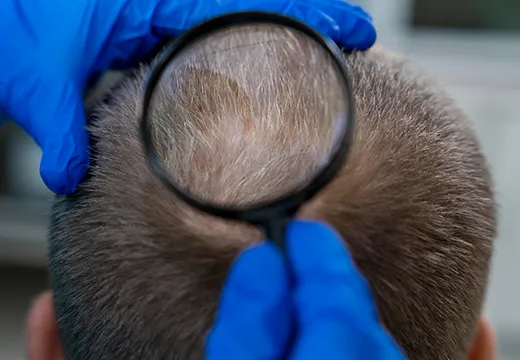
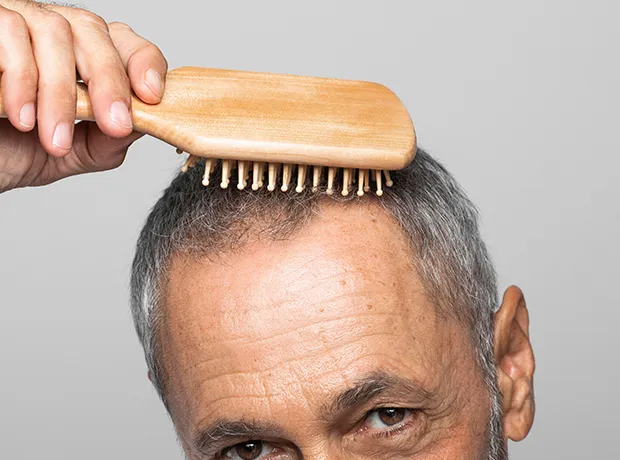
Hair loss can develop gradually or appear as sudden shedding, widening of the parting, a receding hairline, crown thinning or patchy loss. Because different causes require different approaches, effective hair loss treatment starts with understanding what is happening to the scalp and hair follicles. At Dermatrix, the treatment journey begins with a detailed assessment of the hair-loss pattern, scalp health, medical and lifestyle history, existing hair density and previous treatments before a personalised plan is recommended.
What is Hair Loss Treatment?
Hair loss treatment is not one single procedure. It is a personalised process that begins with identifying the likely cause of hair shedding or thinning and then selecting the most appropriate management plan. Hair loss may be related to hereditary pattern hair loss, temporary shedding after illness or stress, hormonal or nutritional factors, autoimmune conditions, scalp disorders, medication, damaging hair practices or a combination of causes. A professional assessment can help distinguish excessive hair shedding from progressive hair loss, evaluate the condition of the scalp and remaining follicles, and decide whether observation, scalp care, medical evaluation, non-surgical hair-restoration treatment or surgical restoration should be considered. The recommended approach depends on the diagnosis rather than using the same treatment for every patient.
Why Choose Dermatrix for Hair Loss Care?
Dermatrix follows an assessment-first approach to hair loss. The aim is to understand the pattern and likely cause of hair loss before recommending a procedure or treatment package. This helps create a plan that is better aligned with the condition of the scalp, remaining follicles, stage of hair loss and the patient’s treatment goals.
4.8
1000 Verified Reviews
Assessment
Before Treatment
Hair-loss history, scalp condition, density and thinning pattern are reviewed before a treatment option is selected.
Personalised
Treatment Planning
Recommendations are based on the type and stage of hair loss rather than a standard package for every patient.
Multiple Hair-Restoration Options
Depending on suitability, a plan may include scalp care, medical guidance, PRP, GFC, QR678 or other hair-restoration services offered by Dermatrix.
Progress
Monitoring
Follow-up can help assess shedding, density, scalp response and whether the treatment plan needs to be adjusted.
Clear
Expectations
Patients should understand what a treatment may help with, what it cannot guarantee and how long meaningful assessment of progress may take.
Common Types and Patterns of Hair Loss
-
Androgenetic Alopecia (Pattern Hair Loss)
Hereditary hair loss can cause a receding hairline, crown thinning or gradual loss of density in men, and widening of the parting or diffuse thinning in women.
-
Telogen Effluvium
A temporary increase in shedding can follow physical or emotional stress, illness, surgery, childbirth, fever, rapid weight change or other triggers.
-
Alopecia Areata
An autoimmune condition can cause sudden, smooth patches of hair loss and may require condition-specific medical evaluation and treatment.
-
Diffuse Hair Thinning
Reduced density across the scalp can have several possible causes, including nutritional, hormonal, medical or hereditary factors, so assessment is important.
-
Traction / Hair-Care Related Loss
Repeated tension from tight hairstyles and damaging hair practices can contribute to breakage or hair loss. Early changes in hair-care practices may be important.
How Does It Work?
Personalised diagnosis and care
Our dermatologists perform advanced scalp analysis to identify root causes and create customized treatment plans. Using elite therapies, we control shedding and stimulate follicles to restore thicker, healthier hair naturally. Experience the best hair loss treatment in Mumbai & Thane at Dermatrix.
Trusted by Thousands. Loved for Results.
97% Client Satisfaction Rate Across Skin, Hair, Body & Dental Care.
4.8
1000+ Verified Reviews
When Should You Consult a Hair Loss Specialist?
Consider a professional assessment when hair fall is persistent, progressive or accompanied by visible changes in scalp coverage. Earlier evaluation can be useful because some forms of hair loss respond better when the cause is identified and managed promptly.
- Persistent shedding that continues for several weeks or keeps returning
- A widening hair part, receding hairline or increasing crown visibility
- Sudden round or patchy areas of hair loss
- Visible scalp inflammation, scaling, itching, pain or recurrent scalp problems
- Hair loss after illness, major stress, childbirth, rapid weight loss or medication changes that does not begin to settle
- Hair breakage, thinning or loss linked to tight hairstyles or repeated chemical/heat damage
- A strong family history of pattern baldness with early signs of progression
How Is the Cause of Hair Loss Assessed?
Hair loss treatment should begin with diagnosis. During a consultation, the clinician may review when the problem started, whether the loss is sudden or gradual, family history, recent illness or stress, pregnancy or hormonal changes, diet, medications, hair-care practices and previous treatments. The scalp and hair are then examined for the pattern of thinning, density, breakage, bald patches, inflammation and other clues.
When the history or examination suggests an underlying medical cause, additional evaluation may be recommended. Depending on the individual situation, this can include appropriate blood tests or referral for further medical assessment. In selected cases, a scalp biopsy or other diagnostic step may be considered by the relevant medical professional. Not every patient requires testing; the need depends on the findings.
Hair Loss Assessment at Dermatrix - Step by Step
1. Hair-Loss History
The team reviews when the hair fall started, how it has progressed, previous treatments and possible triggers.
2. Scalp & Hair Examination
The scalp, hairline, crown, parting and overall density are assessed for visible patterns and scalp concerns.
3. Follicle & Density Assessment
Existing hair density and the condition of thinning areas are evaluated to understand whether follicles appear active, miniaturised or significantly reduced.
4. Possible Cause Review
Hereditary, temporary, scalp-related, hormonal, nutritional, autoimmune or lifestyle-related factors are considered based on the history and examination.
5. Treatment Selection
A personalised plan is recommended only after the likely cause, stage of hair loss and treatment goals are considered.
6. Follow-Up & Progress Review
Progress is monitored over time because hair growth is gradual and treatment response varies from person to person.
Hair Loss Treatment Options at Dermatrix
There is no single “best” hair loss treatment for everyone. The most appropriate option depends on the diagnosis, stage of hair loss, scalp condition, remaining follicle activity, medical history and treatment goals. Based on assessment, Dermatrix may discuss one or more of the following services for suitable patients.
| Option | Role in a Personalised Plan |
|---|---|
| Scalp & Hair-Care Guidance | When shedding or breakage is linked to scalp health, hair-care practices or a temporary trigger, the plan may begin with targeted scalp care, lifestyle guidance and appropriate medical evaluation. |
| PRP Hair Treatment | Platelet-rich plasma is a non-surgical option that may be considered for selected patients with hair thinning or pattern hair loss when suitable follicles remain. It should be chosen after assessment rather than used for every cause of hair loss. |
| GFC Hair Treatment | Growth Factor Concentrate is another hair-restoration service offered by Dermatrix for selected thinning concerns. Suitability, session planning and expected response should be discussed after scalp evaluation. |
| QR678 Treatment | Dermatrix also offers QR678 as a non-surgical hair-restoration option. It should be recommended only for appropriate cases after the cause and stage of hair loss are assessed |
| Hair 360 / Hair Revival Programs | Where appropriate, a broader hair-restoration program may combine scalp assessment, supportive care and selected treatment modalities according to the patient’s needs. |
| Hair Transplant Assessment | For selected patients with established pattern baldness or significant permanent hairline loss, hair transplantation may be considered if the donor area is suitable and surgical restoration is appropriate. |
How Does Hair Loss Treatment Work?
The treatment process begins with identifying the cause and deciding what outcome is realistic. Some patients may need observation or correction of a trigger, others may be suited to non-surgical hair-restoration treatments, and advanced permanent hair loss may require a different strategy. The plan can change over time as the response is reviewed.
| Stage | Purpose |
|---|---|
| Assess | Understand the pattern, duration and possible triggers. |
| Diagnose | Distinguish temporary shedding from progressive or condition-specific hair loss. |
| Plan | Choose treatment according to the cause, scalp condition and follicle status. |
| Treat | Carry out the selected medical, scalp-care, non-surgical or surgical option when appropriate |
| Monitor | Review shedding, density, scalp health and treatment tolerance over time. |
| Maintain | Continue appropriate follow-up or long-term management when the type of hair loss requires it. |
When Can You Expect Improvement?
Hair growth is slow, and treatment response depends on the cause of hair loss and the therapy selected. Some temporary shedding conditions may improve as the trigger resolves, while hereditary or chronic hair loss may require ongoing management. Non-surgical procedures and medical treatments generally need time before changes in shedding, density or hair calibre can be assessed properly.
Dermatrix should avoid promising a fixed number of sessions or a guaranteed percentage of regrowth on this general service page. A more useful approach is to explain the expected review timeline after the individual treatment plan has been selected and to use follow-up photographs or measurements where appropriate.
Why Patients Choose Dermatrix for Hair & Scalp Care
Keep the existing rating, review and procedure-count module only with current, verifiable figures. Replace broad outcome claims with trust signals that can be supported, such as assessment-led treatment planning, multiple hair-restoration options, transparent consultation and follow-up care.
Worried About Hair Fall or Thinning?
If you are noticing persistent shedding, widening of the parting, a receding hairline, crown thinning or patchy hair loss, a professional assessment can help determine what may be causing the problem and which treatment options are appropriate. Book a consultation with Dermatrix to review your hair-loss pattern, scalp condition, previous treatments and goals before deciding on the next step. Book a Hair Loss Consultation
Have questions or ready to book your consultation?
Fill in your details and our team will reach out to you shortly.
All You Need to Know
-
What is the best treatment for hair loss?
There is no single best treatment for every person. The right treatment depends on the cause of hair loss, how long it has been present, the pattern of thinning, scalp health, remaining follicle activity and medical history. A proper assessment should come before choosing PRP, GFC, medication, scalp treatment or hair transplantation.
-
How do I know if I have hair loss or just temporary shedding?
Temporary shedding often causes increased hair fall across the scalp after triggers such as illness, major stress, childbirth or significant weight change. Progressive hair loss more often causes ongoing changes such as a receding hairline, widening part or crown thinning. A scalp examination can help distinguish between the two, and some people may have both.
-
What causes sudden hair fall?
Sudden increased shedding can follow illness, fever, surgery, childbirth, major stress, rapid weight loss, nutritional problems, medication changes or other medical triggers. Sudden patchy hair loss can have different causes and should be evaluated. If hair fall is severe, persistent or associated with scalp symptoms, professional assessment is recommended.
-
Can stress cause hair loss?
Yes. Significant physical or emotional stress can trigger excessive shedding, often called telogen effluvium. The shedding may start weeks or months after the stressful event. In many cases it improves as the trigger resolves, but persistent or recurrent shedding should still be assessed to rule out other causes.
-
Can nutritional deficiency cause hair thinning?
Certain nutritional deficiencies can contribute to hair shedding or poor hair quality, but supplements should not be used blindly. If the history or examination suggests a deficiency, appropriate medical evaluation or testing may be recommended. Treatment should address a confirmed or likely cause rather than relying on high-dose supplements without guidance.
-
Is hereditary hair loss treatable?
Hereditary pattern hair loss can often be managed, especially when treatment begins early, but it may be progressive. The plan depends on age, pattern, severity, scalp health and treatment goals. Medical or non-surgical treatment may be considered for suitable patients, while hair transplantation may be discussed in selected cases with permanent loss and a suitable donor area.
-
Does PRP help with hair loss?
PRP is used as a non-surgical treatment for selected forms of hair thinning and pattern hair loss. It is not appropriate for every cause of hair loss, and the response varies. A scalp assessment should determine whether active follicles remain and whether PRP fits the overall treatment plan.
-
Is GFC suitable for thinning hair?
GFC is offered by Dermatrix as a non-surgical hair-restoration option for selected thinning concerns. Suitability depends on the cause and stage of hair loss, scalp condition and existing follicles. It should be recommended after assessment rather than treated as a universal solution for all hair loss.
-
When is hair transplant considered for hair loss?
Hair transplantation may be considered when there is established permanent pattern hair loss and a suitable donor area. It is not the first or correct option for every person with hair fall. The scalp, donor density, progression of hair loss, age and long-term restoration goals should be assessed before recommending surgery.
-
Can alopecia areata be treated with PRP or GFC?
Alopecia areata is an autoimmune form of hair loss and requires condition-specific medical assessment. It should not automatically be treated like pattern hair loss. A clinician should confirm the diagnosis and discuss appropriate management before any hair-restoration procedure is considered.
-
Do I need blood tests for hair loss?
Not everyone with hair loss needs blood tests. Tests may be recommended when the history or examination suggests a nutritional deficiency, hormonal problem, infection or another medical cause. The decision should be based on the individual case rather than using the same test panel for every patient.
-
How long does hair loss treatment take to show results?
Hair growth is gradual, so most treatments cannot be judged after only a few days or weeks. The review timeline depends on the diagnosis and treatment selected. Some patients first notice reduced shedding, while visible changes in density may take longer. Your clinician should explain when progress can reasonably be assessed for your specific plan.
-
Can hair loss be completely reversed?
It depends on the cause. Some temporary shedding may recover when the trigger resolves, while hereditary or scarring forms of hair loss may need long-term management and may not be completely reversible. The aim of treatment can be to reduce shedding, protect existing hair, improve density where possible and choose restoration options when appropriate.
-
When should I see a hair loss specialist?
Seek assessment if hair fall is persistent, progressive, sudden and patchy, associated with scalp inflammation or causing visible changes such as a widening part, receding hairline or crown thinning. Consultation is also useful when home remedies have not helped or when you are unsure whether the problem is temporary shedding or progressive hair loss.
-
What happens during a hair loss consultation at Dermatrix?
The consultation reviews when hair loss started, how it has progressed, possible triggers, family history, scalp symptoms, previous treatments and medical or lifestyle factors. The scalp and hair pattern are examined, and additional evaluation may be suggested when needed. A treatment plan is then discussed according to the likely cause and stage of hair loss.
Expert Advice for Real Results
Stay informed with expert insights on skin, hair, dental care, and the latest aesthetic innovations.
Discover tips, trends, and treatment guides curated by our in-house specialists.
-
How Can a Hair Specialist at Dermatrix Clinic Help With Hair Fall?
Busting common misconceptions around laser treatments.
Wondering if laser hair removal is permanent or painful? Our experts break down the truths and myths you need to know.
Learn More -
Hair Transplant Cost in Jalgaon: Grafts, Procedure & Pricing Factors
Busting common misconceptions around laser treatments.
Wondering if laser hair removal is permanent or painful? Our experts break down the truths and myths you need to know.
Learn More -
Dermatrix Hair Transplant Clinic: Advanced Hair Restoration Care
Busting common misconceptions around laser treatments.
Wondering if laser hair removal is permanent or painful? Our experts break down the truths and myths you need to know.
Learn More -
PRP Hair Treatment: Benefits, Cost, Procedure & Results
Busting common misconceptions around laser treatments.
Wondering if laser hair removal is permanent or painful? Our experts break down the truths and myths you need to know.
Learn More -
Monsoon Hair Shedding? See the Best Dermatologist for Hair Loss
Busting common misconceptions around laser treatments.
Wondering if laser hair removal is permanent or painful? Our experts break down the truths and myths you need to know.
Learn More -
GFC Hair Treatment in Thane: Cost, Benefits, Procedure & Results
Busting common misconceptions around laser treatments.
Wondering if laser hair removal is permanent or painful? Our experts break down the truths and myths you need to know.
Learn More -
PRP Hair Treatment Benefits Cost Results
Busting common misconceptions around laser treatments.
Wondering if laser hair removal is permanent or painful? Our experts break down the truths and myths you need to know.
Learn More -
Hair Botox Treatment Price
Busting common misconceptions around laser treatments.
Wondering if laser hair removal is permanent or painful? Our experts break down the truths and myths you need to know.
Learn More -
Hair Specialist Doctor in Thane
Busting common misconceptions around laser treatments.
Wondering if laser hair removal is permanent or painful? Our experts break down the truths and myths you need to know.
Learn More -
How to Choose the Best Hair Transplant Clinic in Thane
Busting common misconceptions around laser treatments.
Wondering if laser hair removal is permanent or painful? Our experts break down the truths and myths you need to know.
Learn More -
Hair Rescue: Laser Comb Meets Power Serum
Busting common misconceptions around laser treatments.
Wondering if laser hair removal is permanent or painful? Our experts break down the truths and myths you need to know.
Learn More -
Laser Comb + Serum: Boost Hair Naturally
Busting common misconceptions around laser treatments.
Wondering if laser hair removal is permanent or painful? Our experts break down the truths and myths you need to know.
Learn More -
Laser Comb Therapy: The Truth About Growth Serums
Busting common misconceptions around laser treatments.
Wondering if laser hair removal is permanent or painful? Our experts break down the truths and myths you need to know.
Learn More -
Can a Laser Helmet Really Regrow Hair? Let’s Talk Truth
Busting common misconceptions around laser treatments.
Wondering if laser hair removal is permanent or painful? Our experts break down the truths and myths you need to know.
Learn More -
Laser Helmet Therapy: Science-Backed Hair Growth at Home
Busting common misconceptions around laser treatments.
Wondering if laser hair removal is permanent or painful? Our experts break down the truths and myths you need to know.
Learn More -
Stronger, Healthier Hair Starts Here: Advanced Hair Treatments That Work
Busting common misconceptions around laser treatments.
Wondering if laser hair removal is permanent or painful? Our experts break down the truths and myths you need to know.
Learn More