


Hair thinning and progressive hair loss can occur because of genetics, age, hormonal influences, lifestyle factors and certain medical conditions. While medications and non-surgical treatments may help suitable patients, advanced hair loss may require a more permanent restoration approach.A hair transplant involves relocating suitable hair follicles from a donor area, usually the back or sides of the scalp, to areas affected by thinning or baldness. Successful treatment requires much more than simply implanting grafts. Hairline design, donor management, graft placement, hair direction and long-term planning all contribute to a natural-looking result.
At Dermatrix Hair Transplant Clinic, patients receive an individual hair and scalp assessment before a treatment plan is recommended. The objective is to create hair restoration that complements the patient's facial features, existing hair pattern and future hair-loss progression.
Why Choose an Advanced Hair Transplant Clinic?
A hair transplant is a highly personalised procedure. Two people with similar hair loss may require completely different graft numbers, hairline designs and treatment strategies depending on donor density, scalp condition, hair characteristics and expected future hair loss. Choosing an experienced hair transplant clinic allows these factors to be evaluated before surgery. Proper planning also helps protect the donor area because the number of usable follicles is limited and should be managed carefully.
At Dermatrix, hair restoration planning focuses on realistic expectations, natural hairline design and appropriate distribution of available grafts. Patients are guided through the procedure, expected recovery and long-term hair care before making a treatment decision.
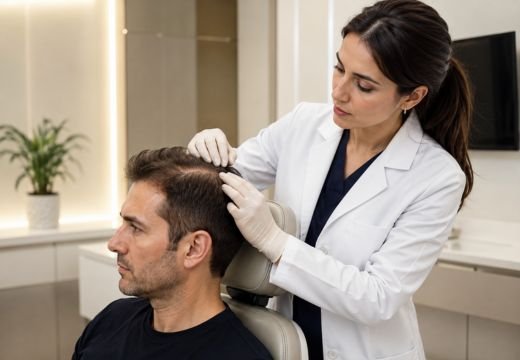
Personalised Hairline Design and Transplant Planning
A natural-looking hair transplant begins before graft implantation. Hairline height, shape, facial proportions, age, existing density and future hair-loss pattern should all be considered during planning. At Dermatrix, the donor area and recipient area are carefully assessed to determine how available follicles can be distributed effectively.
The aim is to create a hairline that looks appropriate today while also considering how the patient's natural hair may change in the future.
Hair Transplant Cost: What Determines the Price?
One of the most important factors is the number of grafts required. A small hairline correction generally needs fewer grafts than restoring larger areas involving the front, mid-scalp and crown.
Other factors that may influence the treatment plan include donor density, degree of hair loss, transplant technique, procedure complexity and whether additional hair-loss management is recommended. Patients searching for hair transplant cost should therefore first undergo a proper consultation. At Dermatrix Hair Transplant Clinic, the scalp, donor area and hair-loss pattern can be evaluated before an appropriate graft estimate and treatment plan are discussed.
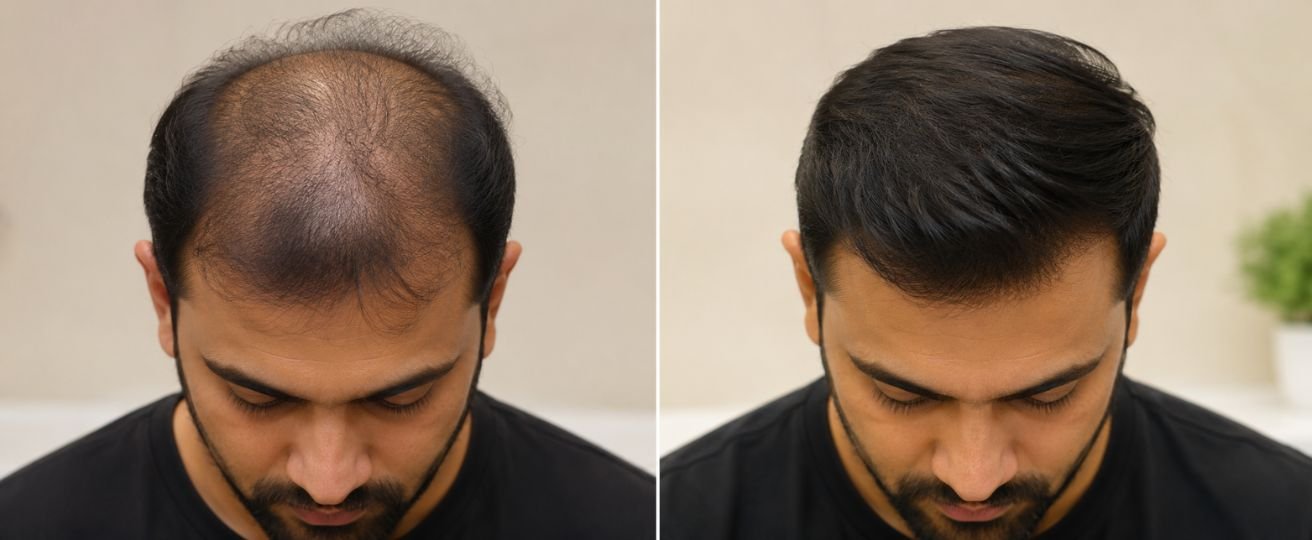
Who May Consider Hair Transplant Treatment?
Hair transplantation may be suitable for people experiencing permanent or progressive hair loss with an adequate donor area.
- Receding hairline
- Male pattern baldness
- Frontal hair thinning
- Crown hair loss
- Widening bald areas
- Persistent hairline recession
- Suitable donor hair at the back or sides
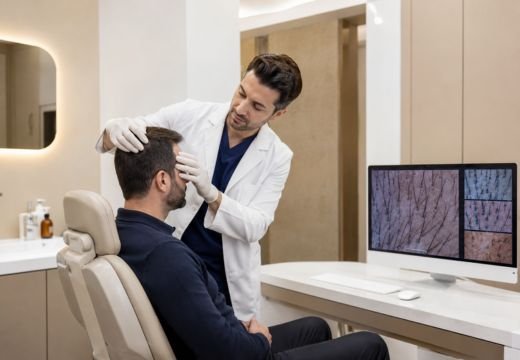
Benefits of Advanced Hair Restoration
Key Benefits:
Natural-looking hairline planning
Uses the patient's own hair follicles
Long-term hair restoration approach
Personalised graft placement
Treatment for different patterns of hair loss
Improved visual hair density
Individual donor-area management
Gradual, natural-looking hair growth
Frequently Asked Questions About Hair Transplant Treatment
Is a hair transplant permanent?
Transplanted follicles are generally selected from areas that are more resistant to pattern hair loss. These follicles can provide long-lasting growth, although the patient's existing non-transplanted hair may continue to thin over time.
How many grafts do I need for a hair transplant?
The required number of grafts depends on the size of the thinning area, desired density, hairline design, donor availability and existing hair. A scalp assessment is needed to provide a realistic graft estimate.
Does a hair transplant look natural?
A hair transplant can appear natural when hairline design, follicle direction, graft distribution and density are carefully planned. The experience and planning of the hair transplant team are therefore important..
Can a hair transplant treat crown baldness?
Yes, suitable patients with crown thinning or baldness may be considered for transplantation. However, crown restoration can require significant graft numbers, so donor supply and overall hair-loss progression must be considered.
Which doctor is best for hair transplant treatment at Dermatrix?
Patients considering hair transplantation at Dermatrix can consult Dr. Rajendra Patil at Dermatrix Clinic. He can assess the pattern of hair loss, donor area, hairline requirements and restoration goals before recommending an individual hair transplant plan.
Book a Hair Transplant Consultation at Dermatrix
Hair transplantation is not simply about filling a bald area with the maximum possible number of grafts. Successful hair restoration requires careful diagnosis, responsible donor management, appropriate hairline design and a plan that considers future hair loss.
At Dermatrix Hair Transplant Clinic, patients can receive a detailed evaluation of their scalp, hair-loss pattern and donor area before deciding whether transplantation is suitable for them.
If you are considering a hair transplant or searching for an advanced hair restoration clinic, schedule a consultation at Dermatrix to understand your treatment options, estimated graft requirement, recovery and expected results.
 Contact us
 Book Appointment
