


Hair transplantation is an important decision for anyone experiencing a receding hairline, thinning hair, crown baldness or noticeable hair loss. While the procedure can help restore hair coverage in suitable candidates, the quality of your results depends on several factors, including medical assessment, donor hair availability, hairline design, surgical expertise and post-treatment care.
If you are wondering how to choose a hair transplant clinic in Thane, the first step is to understand what makes a clinic safe, reliable and suitable for your individual hair restoration needs.
A clinic should not be selected only because of attractive advertisements, discounted packages or impressive before-and-after photographs. A careful evaluation of the medical team, treatment planning and patient safety standards is essential.
This guide explains 10 important things to check before choosing a hair transplant clinic in Thane, along with practical questions to ask during your consultation.
How Do You Choose the Right Hair Transplant Clinic in Thane?
o choose a suitable hair transplant clinic in Thane, look for qualified and appropriately trained medical professionals, detailed scalp and donor assessment, personalized graft planning, realistic hairline design, proper safety standards, authentic patient results and structured aftercare.
A reliable clinic should explain whether you are a suitable candidate, discuss possible risks and limitations, identify who will perform the procedure and provide clear information before asking you to proceed.
At Dermatrix, hair restoration consultations focus on understanding the individual's hair loss concerns, scalp condition, donor hair availability and treatment expectations before planning the next steps.
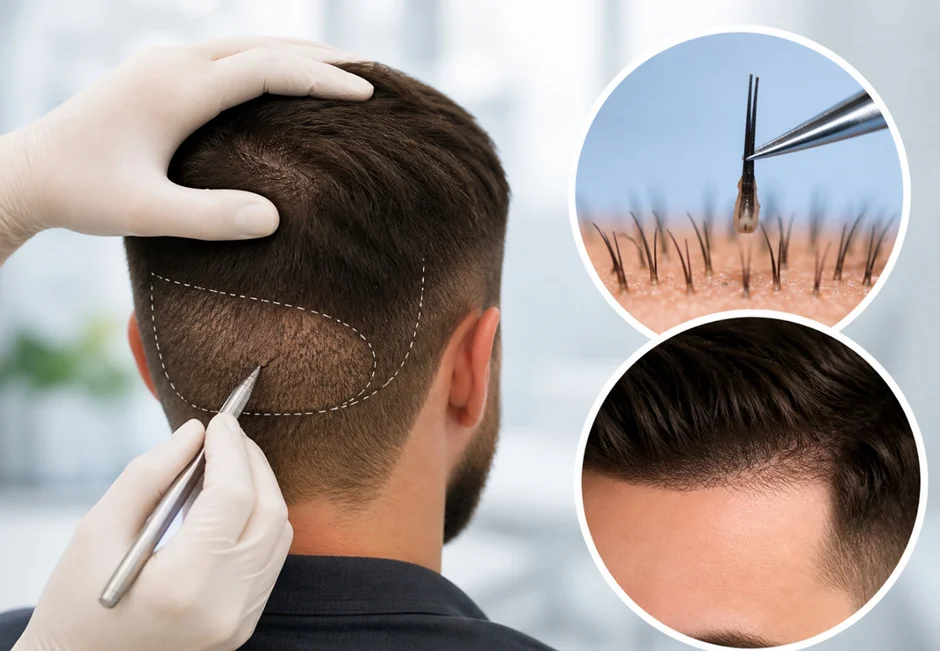
1. Check the Doctor's Qualifications and Hair Restoration Experience
The first and most important factor when choosing a hair transplant clinic is the qualifications and experience of the medical professional responsible for your treatment.
Hair transplantation involves both medical decision-making and aesthetic planning. The doctor must understand hair loss patterns, scalp conditions, donor area limitations, facial proportions and potential surgical complications.
Before selecting a clinic, check:
-
The doctor's verified medical qualifications and registration.
-
Relevant training and experience in hair restoration.
-
Who will diagnose your hair loss and plan the treatment.
-
Who will perform the surgical steps of the procedure.
-
Whether appropriately qualified medical professionals supervise the treatment.
-
How the clinic manages complications and follow-up care.
Questions to ask your hair transplant doctor:
-
What qualifications and hair transplant training do you have?
-
How many hair restoration procedures have you performed?
-
Who will perform graft extraction and recipient-site creation?
-
Will you personally assess my donor area and design my hairline?
-
What complications should I know about before treatment?
A trustworthy clinic should provide clear, verifiable answers instead of relying only on marketing claims.
2. Look for a Detailed Scalp and Hair Loss Assessment
Not everyone experiencing hair fall needs a hair transplant.
Hair loss may occur due to genetic factors, nutritional deficiencies, hormonal conditions, medical problems, scalp disorders or temporary shedding. Identifying the underlying cause is important because some conditions respond better to medical treatment than to surgery.
During a professional consultation, the specialist should evaluate:
-
Hair loss history and progression.
-
Receding hairline or crown thinning.
-
Scalp health and possible inflammation.
-
Hair density and thickness.
-
Family history of hair loss.
-
Previous hair treatments and medications.
-
Medical conditions that may influence treatment.
The assessment should help determine whether hair transplantation is appropriate now or whether further investigations and nonsurgical treatment should be considered first.
Why this matters: Performing a transplant without understanding the cause and progression of hair loss may lead to unsatisfactory coverage or poor long-term planning.

3. Make Sure the Clinic Performs Donor Assessment Before Transplant
A proper donor assessment before transplant is one of the most important steps in planning hair restoration.
The donor area is usually located at the back and sides of the scalp, where hair follicles may be more resistant to pattern hair loss.
However, donor hair is a limited resource. Removing too many follicles can create visible thinning or an unnatural appearance in the donor region.
A good donor assessment should consider:
-
Donor hair density and distribution.
-
Hair shaft thickness and characteristics.
-
Donor area stability.
-
Scalp condition and existing scarring.
-
Estimated safely available grafts.
-
Future hair loss and restoration needs.
Questions to ask:
-
Is my donor area suitable for transplantation?
-
How will you estimate the number of available grafts?
-
Could the donor area become visibly thin after extraction?
-
Will enough donor hair remain for possible future procedures?
A responsible clinic should explain donor limitations rather than promise unlimited grafts.
4. Evaluate Hairline Design and Natural-Looking Result Planning
A successful hair transplant is not simply about placing more hair on the scalp. The placement, angle, direction and distribution of transplanted follicles are equally important.
The hairline should complement the patient's age, face shape, existing hair pattern and potential future hair loss.
During consultation, ask the specialist to explain how the proposed hairline will be designed.
Important factors include:
-
Age-appropriate hairline positioning.
-
Natural hair growth direction.
-
Facial symmetry and proportions.
-
Frontal and temple coverage.
-
Realistic density expectations.
-
Long-term appearance if existing hair continues thinning.
An excessively low or unusually dense hairline may look unnatural over time, especially if surrounding hair loss progresses.
Practical tip: Ask the doctor to explain why a particular hairline is suitable for your face and how it may look several years after transplantation.
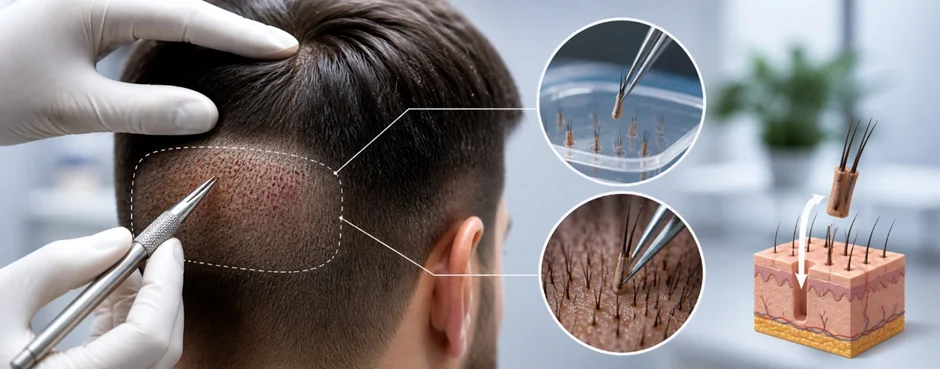
5. Review Genuine Before-and-After Hair Transplant Results
Before-and-after photographs can help you understand the type of results a clinic has achieved.
However, photographs should be evaluated carefully rather than accepted as guaranteed outcomes.
When reviewing patient results, check:
-
Whether the photographs represent actual patients treated by the clinic.
-
Similar camera angles, lighting and hair length.
-
Clearly stated follow-up periods.
-
Hairline naturalness and density.
-
Results for patients with hair loss patterns similar to yours.
-
Whether photographs have been digitally altered.
You can also ask whether the clinic has patient testimonials or documented cases demonstrating the healing and growth process.
Remember that hair transplant results vary depending on donor hair quality, scalp characteristics, surgical planning and individual healing.
A reliable clinic should never guarantee that your results will be identical to another patient's photographs.
6. Check Clinic Hygiene, Safety Standards and Surgical Facilities
Patient safety should be a major consideration when choosing a hair transplant clinic.
Hair transplantation is a medical procedure that involves handling tissue, creating recipient sites and managing wounds. Therefore, appropriate infection-control measures and safe treatment facilities are essential.
Before making a decision, ask about:
-
Sterilization of surgical instruments.
-
Disposable medical supplies where appropriate.
-
Infection prevention protocols.
-
Qualified staff and clinical supervision.
-
Monitoring and emergency arrangements.
-
Medical screening before treatment.
-
Management of complications or adverse reactions.
A clean reception area alone does not confirm that a clinic follows appropriate surgical safety standards.
Important: Ask where the procedure will actually be performed, who will be responsible for each surgical step and what arrangements exist if a medical complication occurs.
7. Understand the Treatment Plan and Graft Requirements
A personalized treatment plan is another important part of a reliable hair transplant clinic checklist.
The number of grafts required depends on the size of the thinning or bald area, existing hair density, hair thickness, desired coverage and donor availability.
A specialist should explain:
Which areas require restoration.
Estimated graft requirements.
Coverage and density priorities.
How existing hair will be protected.
Whether treatment may require multiple stages.
What outcomes are realistically achievable.
For example, someone with early frontal hairline recession may have different restoration needs from someone with advanced crown and mid-scalp baldness.
The clinic should also explain its recommended surgical technique and why it is appropriate for your case, rather than promoting a particular technology without a clear clinical reason.
For a detailed explanation of the procedure, hairline planning and treatment suitability, read Dermatrix's guide to Hair Transplant in Thane.
8. Ask About Recovery, Aftercare and Follow-Up Support
Hair transplant care does not end when the surgical procedure is completed.
Recovery guidance, appropriate medication instructions and follow-up appointments are important for monitoring healing and addressing complications.
Before choosing a clinic, ask whether it provides:
Written post-procedure care instructions.
Guidance on scalp cleaning and hair washing.
Information about sleeping positions and activity restrictions.
Advice about temporary shedding.
Follow-up appointments.
Support for unexpected redness, swelling, pain or infection symptoms.
Guidance on managing continuing hair loss.
Transplanted follicles typically require several months to produce visible growth, and the final cosmetic result may take a year or longer, particularly in the crown region.
Questions to ask:
When can I wash my hair after transplantation?
How long should I avoid strenuous activity?
What side effects are expected during recovery?
When should I contact the clinic urgently?
How frequently will follow-up appointments be scheduled?
A clinic that clearly explains the recovery process can help patients prepare for treatment and recognize when medical attention is needed.
9. Compare Transparency, Patient Reviews and Consultation Quality
Online ratings and patient testimonials can be useful when comparing clinics, but they should not be your only selection criteria.
Read detailed reviews instead of focusing only on star ratings.
Look for feedback about:
Consultation experience.
Clarity of medical explanations.
Staff professionalism.
Treatment planning.
Patient communication.
Follow-up assistance.
How concerns or complications were addressed.
It is also important to notice how the clinic communicates during your consultation.
Does the doctor give you enough time to ask questions? Are possible complications explained? Are your expectations discussed realistically?
Be cautious if a clinic pressures you to book immediately, promises guaranteed density or avoids questions about the medical team's qualifications.
If you want to learn more about the clinic's hair restoration consultation approach, visit Hair Transplant Clinic in Thane.
10. Understand the Complete Treatment Cost Before Deciding
Cost is an important consideration, but the cheapest quotation is not necessarily the most suitable option.
A hair transplant quotation may depend on graft requirements, procedure complexity, treatment planning and included services.
Before making a decision, ask for a written explanation of:
The estimated graft count.
The proposed treatment plan.
The total estimated charges.
Consultation and medical screening fees.
Medication and aftercare expenses.
Follow-up appointments included.
Any additional charges or exclusions.
Avoid comparing clinics solely on an advertised per-graft rate without understanding the complete treatment plan.
A transparent clinic should explain what is included and what may cost extra.
For detailed pricing factors and package information, refer to Dermatrix's dedicated Hair Transplant Cost in Thane page.
 Contact us
 Book Appointment
